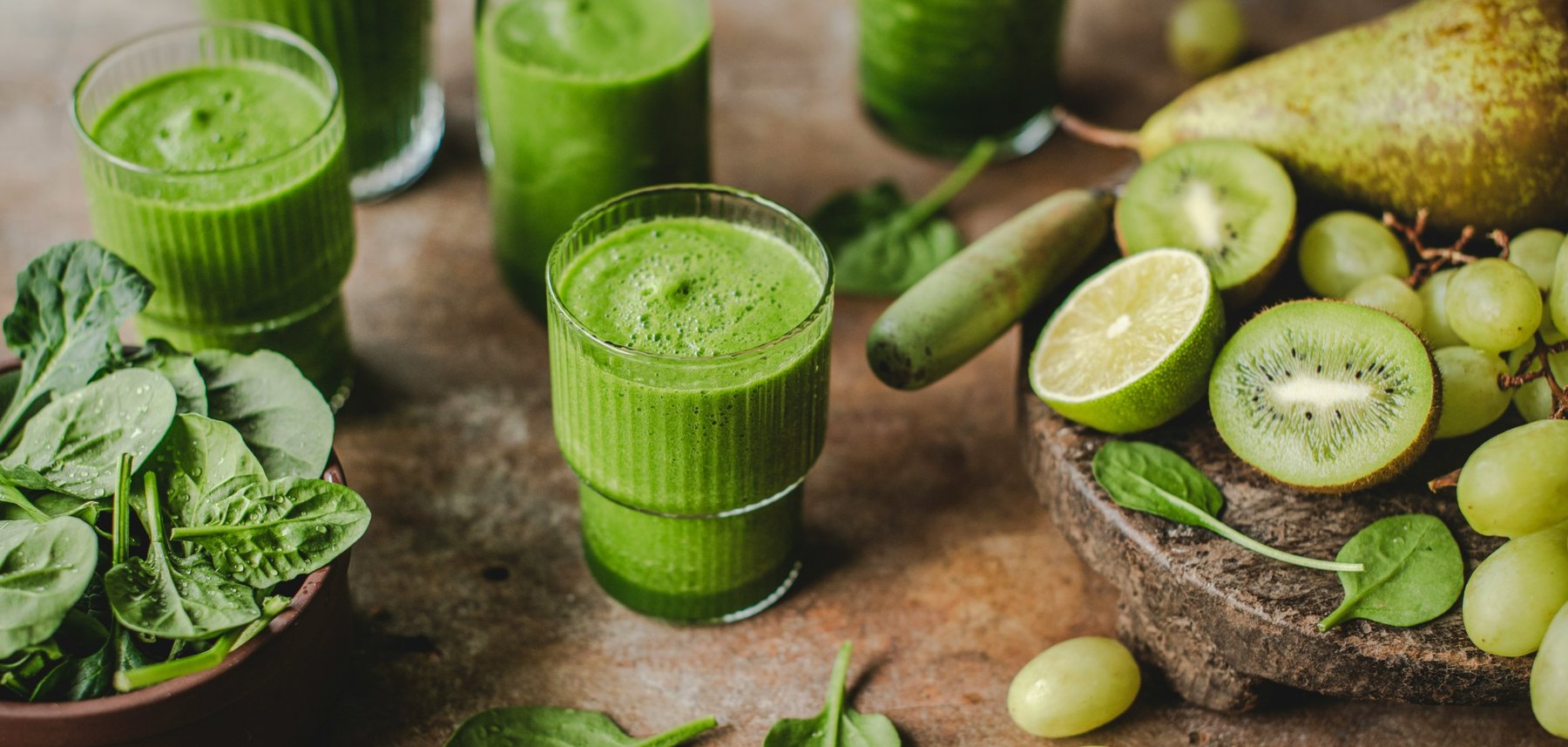
Smoothies are one of my favorite ways to start the day because they make it easy to reach several goals before the morning gets busy. One smoothie can give you about 30 grams of protein, 10 or more grams of fiber, 3 servings of vegetables and six or more different plants toward your 30 for the week.
Starting the day with protein and fiber also helps steady your blood sugar, energy and appetite later in the day. Smoothies are also an easy way to meet protein needs when appetite is low, such as on a GLP-1 medication, during recovery from illness or surgery, or for older adults who struggle to eat enough. It can be helpful to do the work ahead of time: pre-pack frozen smoothie bags, then blend with a little milk whenever you want one.
How many vegetables do we need?
Standard guidelines recommend about 2 to 3 cups of vegetables a day, but functional and lifestyle medicine aim higher, in as many different colors as possible. Research supports this: in an analysis of 95 studies, eating about 10 servings of fruits and vegetables a day was linked to a 31% lower risk of premature death.
A serving of vegetables is ½ cup, raw or cooked, or 1 cup of raw leafy greens. A well-built smoothie can give you 3 servings, up to half of that goal, before the day has started. Here's how common smoothie vegetables add up:
| Vegetable | Servings |
|---|---|
| Cauliflower, 1 cup | 2 |
| Zucchini or cucumber, 1 cup chopped | 2 |
| Frozen mixed vegetables, 1 cup | 2 |
| Spinach or kale, 1 cup raw | 1 |
| Broccoli sprouts, ½ cup | 1 |
Frozen vegetables work well here. They're frozen soon after harvest, so they're just as nutritious as fresh.
Does blending destroy the fiber?
No. Blending breaks fiber into smaller pieces, but all of it is still there, and your gut microbes can still use it. Juicing is different, because it strains out the pulp along with most of the fiber.
The bigger difference is fullness. Drinking food tends to be less filling than chewing it. That's one reason we build smoothies around protein, healthy fats and seeds, which slow digestion and help keep blood sugar steady. Sipping your smoothie over 10 to 15 minutes, rather than drinking it quickly, helps too.
Build your bag
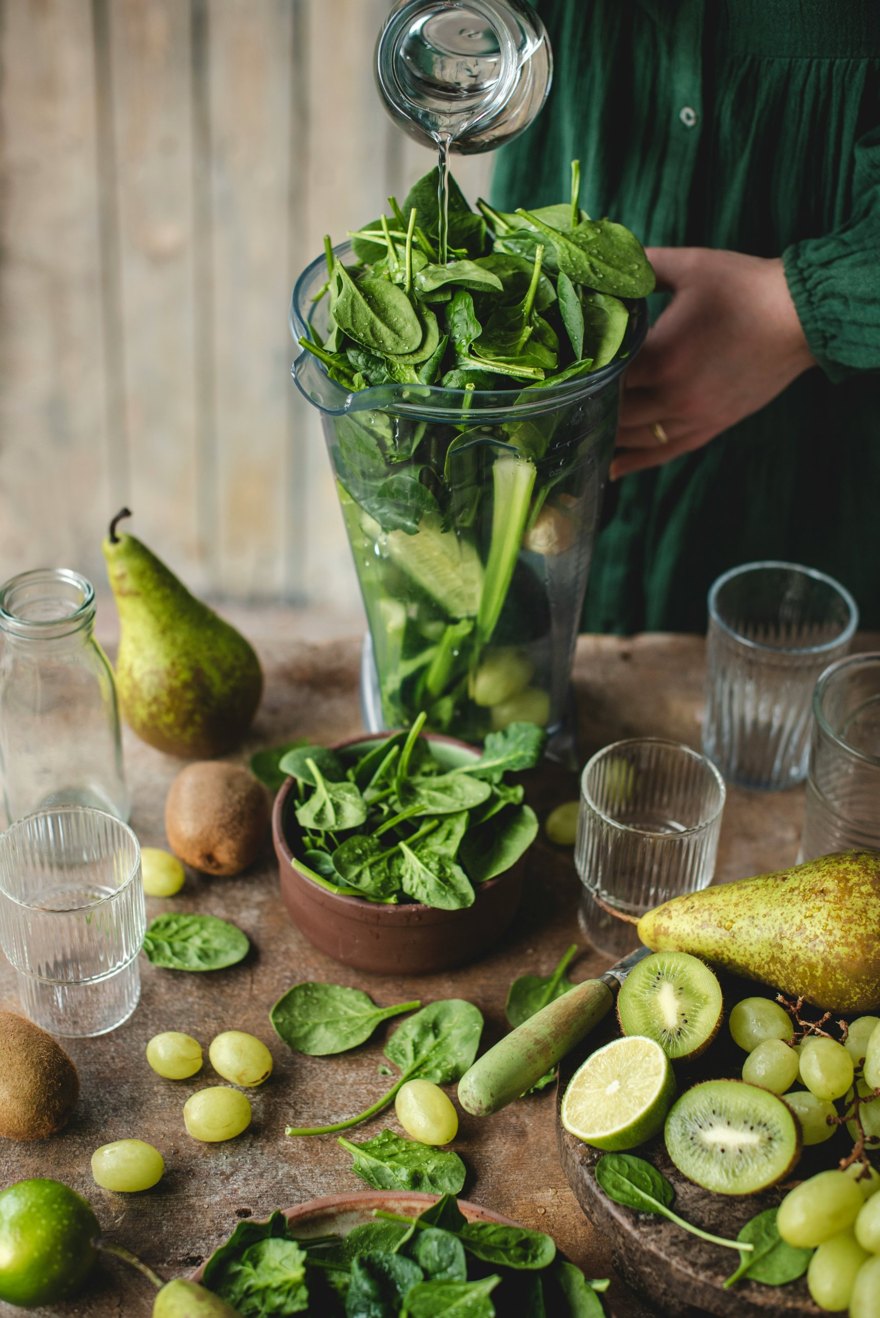
- Vegetables. Mild ones like cauliflower, zucchini and cucumber work well, plus a handful of spinach or kale. A bag of frozen mixed vegetables is easy and nutritious. You can steam the vegetables ahead of time for easier digestion.
- Creaminess. Banana, avocado, nut butter or even a little olive oil.
- Sweetness. Pineapple or mango. To keep sugar lower, use polyphenol-rich berries and a monk-fruit-sweetened protein powder.
- Protein. Choose a powder with minimal ingredients that's third-party tested for heavy metals. Plain Greek yogurt and silken tofu work too. Collagen is an incomplete protein, so it shouldn't be your main source.
- Extras. About 1 to 2 tablespoons of chia seeds, ground flaxseed or hemp hearts, for omega-3s, fiber and a little extra protein.
- A boost. A small handful of broccoli sprouts, one of the richest sources of sulforaphane. You can read more about it in the Environment post.
Some smoothie staples, including cauliflower, mango and avocado, are high in FODMAPs, a group of fermentable carbohydrates that can trigger symptoms in people with IBS or SIBO. Swapping in options like zucchini, spinach, strawberries and blueberries can help.
Two recipes to start with
Each recipe makes one smoothie. Add everything except the milk to a freezer bag and freeze. When you're ready, pour the milk into the blender first, add the contents of the bag and blend until smooth, adding a splash more milk if it's too thick.
Berry Cauliflower
- 1 cup frozen cauliflower florets
- 1 cup baby spinach
- 1 cup frozen mixed berries
- 1 serving protein powder
- 1 tablespoon chia seeds
- 1 tablespoon almond butter
- ¾ to 1 cup unsweetened plant or dairy milk
The berries cover the color of the greens, and the cauliflower makes it thick and creamy without a banana.
Green Tropical
- 1 cup frozen zucchini
- 1 cup baby spinach or kale
- ½ cup frozen mango
- ¼ avocado
- 1 serving vanilla protein powder
- 2 tablespoons ground flaxseed
- 1 tablespoon hemp hearts
- ¾ to 1 cup unsweetened plant or dairy milk
- Optional: a squeeze of lime or a small piece of fresh ginger
Mango and avocado make this one smooth and lightly sweet.
Estimates assume a protein powder with 20 to 25 grams of protein per serving and almond milk. Dairy or soy milk adds about 6 grams more protein.
In an ideal world, we'd eat only whole foods and skip sweeteners and powders altogether, but we're all busy. If a smoothie helps you meet your goals more easily, it's a worthwhile trade-off. For more on why plant diversity, fiber and protein matter, see Nutrition, Part 1: What You Eat.

On colder days, or if you follow Ayurvedic principles, a warm drink may suit you better. Try this Golden Protein Milk.
References
- Lee SH, et al. Adults meeting fruit and vegetable intake recommendations — United States, 2019. MMWR Morbidity and Mortality Weekly Report. 2022.
- U.S. Department of Agriculture. MyPlate: Vegetables.
- The Institute for Functional Medicine. Core Food Plan: Comprehensive Guide.
- American College of Lifestyle Medicine. Lifestyle Medicine Plate.
- Aune D, et al. Fruit and vegetable intake and the risk of cardiovascular disease, total cancer and all-cause mortality: a systematic review and dose-response meta-analysis of prospective studies. International Journal of Epidemiology. 2017.
- Li L, et al. Selected nutrient analyses of fresh, fresh-stored, and frozen fruits and vegetables. Journal of Food Composition and Analysis. 2017.
- Fahey JW, Zhang Y, Talalay P. Broccoli sprouts: an exceptionally rich source of inducers of enzymes that protect against chemical carcinogens. Proceedings of the National Academy of Sciences. 1997.
- Haber GB, et al. Depletion and disruption of dietary fibre: effects on satiety, plasma-glucose, and serum-insulin. Lancet. 1977.
- Monash University. About FODMAPs and IBS.
This article is for general education and isn't a substitute for personal medical advice. Please talk with your own clinician before changing your medications, supplements, diet or exercise routine.